A sparkling, crystal-clear pool is every owner’s goal, but sometimes unexpected water problems arise. From green algae outbreaks to foamy water and metal stains, maintaining perfect water quality can be tricky. Fortunately, most issues have simple solutions—if you know what to look for.
In this guide, we’ll break down the most common pool water problems, explain their causes, and provide step-by-step solutions to help you restore your pool’s clarity and safety.
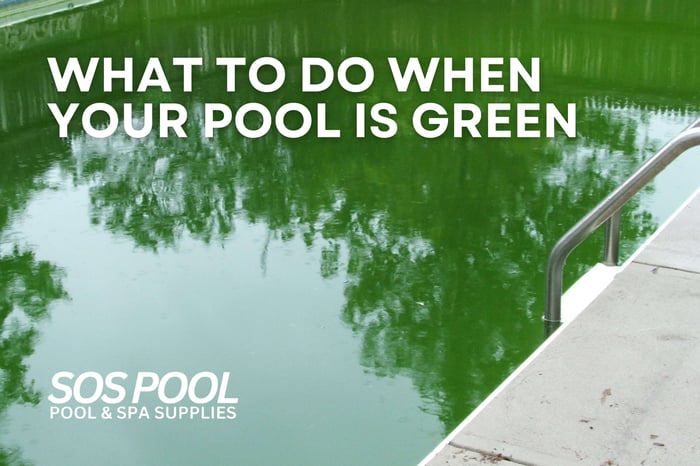
1. Green Water (Algae Growth)
What Causes It?
- Low chlorine levels allow algae to bloom.
- Poor circulation prevents chemicals from distributing evenly.
- High phosphate levels provide a food source for algae.
How to Fix It:
- Shock the pool – Use a high-dose chlorine shock treatment to kill algae.
- Brush and vacuum – Scrub pool walls and floors, then vacuum up debris.
- Balance chemicals – Test pH, alkalinity, and chlorine, adjusting as needed.
- Run the pump – Keep the pump running for at least 24 hours to circulate chemicals.
- Use an algaecide – Apply a preventative algaecide to keep algae from returning.
2. Cloudy Water
What Causes It?
- Poor filtration due to clogged filters.
- Chemical imbalances, especially high pH or alkalinity.
- High swimmer load leading to organic debris in the water.
How to Fix It:
- Check and clean filters – Backwash sand and DE filters or clean cartridge filters.
- Test and balance chemicals – Adjust pH, chlorine, and alkalinity as needed.
- Shock the pool – Superchlorination helps clear up murky water.
- Use a clarifier – Helps bind tiny particles together for easier filtration.
3. Foamy Water
What Causes It?
- Excessive algaecide use can create foam.
- Residue from body lotions, sunscreen, or hair products.
- Improper water chemistry, especially low calcium hardness.
How to Fix It:
- Test and adjust water chemistry – Ensure calcium hardness is within the recommended range (200–400 ppm).
- Remove contaminants – Use an enzyme treatment to break down oils and lotions.
- Reduce algaecide usage – Only use the recommended dose of algaecide.
- Shock the pool – Helps remove organic residues that contribute to foaming.
4. Strong Chlorine Smell (Chloramines Buildup)
What Causes It?
- Not enough chlorine! (Contrary to popular belief, a strong smell means chlorine is bound to contaminants and ineffective.)
- High swimmer load causing organic buildup.
- Poor ventilation in indoor pools.
How to Fix It:
- Shock the pool – Superchlorinate to break down chloramines.
- Improve circulation – Run the pump longer to prevent stagnation.
- Ensure proper ventilation – For indoor pools, keep windows and vents open.
5. Metal Stains (Brown, Green, or Black Spots)
What Causes It?
- High iron or copper levels in fill water.
- Improper pH balance, causing metals to oxidize.
- Use of low-quality algaecides containing copper.
How to Fix It:
- Identify the stain – Use a Vitamin C tablet (for iron stains) or a pH decreaser (for copper stains) to test.
- Use a stain remover – Apply a metal sequestrant or stain treatment based on the type of metal.
- Balance pool chemistry – Keep pH levels between 7.2–7.6 and alkalinity between 80–120 ppm.
- Use a metal filter – If using well water, consider a pre-filter to remove metals before they enter the pool.
6. Eye and Skin Irritation
What Causes It?
- Unbalanced pH levels (too high or too low).
- High chloramine levels from improper sanitation.
- Too much cyanuric acid (CYA) reducing chlorine effectiveness.
How to Fix It:
- Test and adjust pH – Maintain levels between 7.2 and 7.6.
- Shock the pool – Reduces chloramines that cause irritation.
- Lower CYA if necessary – If stabilizer levels exceed 50 ppm, dilute the pool water.
Preventing Pool Water Problems
While it’s helpful to know how to fix these common pool water issues, prevention is always the best approach. Here’s how to keep your pool water clear and balanced year-round:
- Test water at least once a week and adjust chemicals as needed.
- Run the pool pump daily for 8–12 hours to keep water circulating.
- Clean filters regularly to prevent buildup and blockages.
- Shower before swimming to reduce oils, lotions, and other contaminants.
- Use a pool cover when the pool is not in use to prevent debris buildup.
By staying proactive and addressing pool water problems, you can avoid costly fixes and enjoy a clean, clear, and healthy swimming environment all season long!