
As the temperatures rise and summer approaches, it's time to get your pool ready for the season. Whether your pool has been covered all winter or you've been using it less frequently, a proper opening process is essential to ensure clear water, balanced chemicals, and smooth operation.
Skipping essential steps can lead to cloudy water, algae blooms, and unnecessary repairs—but don’t worry! With the right approach, you can have your pool sparkling and swim-ready in no time.
In this guide, we’ll take you through a step-by-step process to prepare your pool for summer, covering everything from removing debris and balancing chemicals to inspecting your equipment and ensuring proper filtration.
Step 1: Remove the Pool Cover (If You Have One)
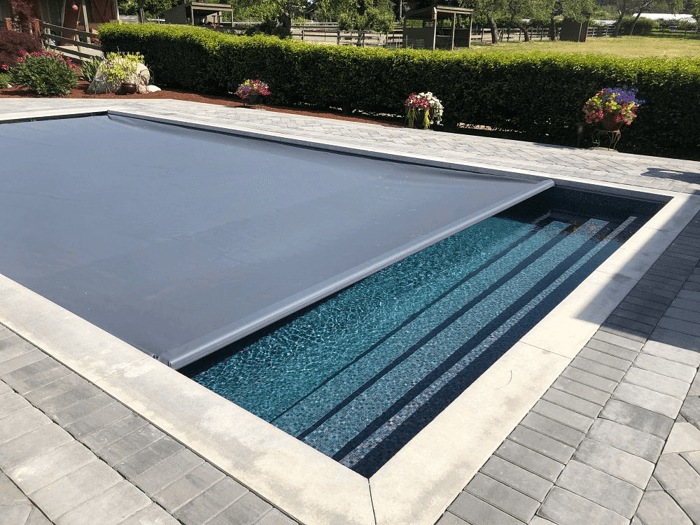
If you use a safety cover, the first step is to remove and clean it properly.
✔ Remove any debris or standing water before taking off the cover. Use a cover pump or a soft broom to clear off leaves and dirt.
✔ Carefully take off the cover to prevent debris from falling into the pool.
✔ Lay it out to dry, then store it properly to prevent mold or mildew buildup.
Pro Tip: If your cover is damaged or has holes, consider replacing it before next winter.
Step 2: Skim and Remove Large Debris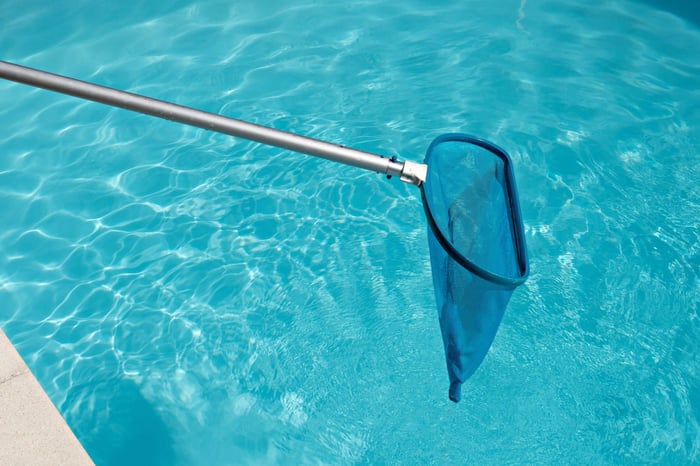
Even with a cover, some dirt, leaves, or twigs may have made their way into the pool. Use a pool skimmer to remove any visible debris floating on the surface.
✔ Manually skim large debris to prevent clogging your pump or filter.
✔ Use a leaf net or vacuum for debris that has settled at the bottom.
✔ Brush the pool walls and floor to loosen dirt or algae that may have built up over the off-season.
Pro Tip: If your pool water is very dirty, you may need to vacuum it before turning on the filtration system.
Step 3: Reconnect and Inspect Pool Equipment
If you disconnected your pool’s pump, filter, or heater for the winter, now is the time to reinstall and inspect them.
✔ Reconnect the pool pump and filter system.
✔ Check for any cracks, leaks, or wear on hoses, fittings, and o-rings.
✔ Inspect the heater (if you have one) to ensure it functions properly.
✔ Open all return valves and ensure proper water flow.
Pro Tip: If you notice leaks or damage, replace parts immediately to prevent bigger issues later in the season.
Step 4: Fill the Pool to the Proper Water Level
Over time, water may have evaporated or been drained slightly during winterization. Before balancing chemicals, ensure your water level is where it should be—typically at the midpoint of your skimmer opening.
✔ Use a garden hose to refill the pool as needed.
✔ If adding a large amount of water, test and adjust water chemistry after filling.
Pro Tip: If your area has hard or soft water, be sure to test for calcium hardness before adding any pool chemicals.
Step 5: Test and Balance Pool Water Chemistry
Properly balanced pool water is key to keeping your pool safe and clear. After sitting for months, chemical levels may be out of balance, so it’s crucial to test and adjust them.
Use a test kit or test strips to check:
✔ pH (ideal: 7.4 – 7.6)
✔ Alkalinity (ideal: 80 – 120 ppm)
✔ Chlorine (ideal: 1-3 ppm)
✔ Calcium Hardness (ideal: 200 – 400 ppm)
✔ Cyanuric Acid (CYA) – protects chlorine from sunlight (ideal: 30 – 50 ppm)
If levels are off, adjust accordingly:
✔ Low pH? Add pH increaser (sodium carbonate).
✔ High pH? Add muriatic acid or dry acid.
✔ Low alkalinity? Add baking soda (sodium bicarbonate).
✔ Low chlorine? Add pool shock or liquid chlorine.
Pro Tip: If your pool water was not properly winterized, you may need to add a clarifier or algaecide to remove contaminants.
Step 6: Shock the Pool to Kill Bacteria & Algae
Even if the water looks clear, shocking your pool is an essential step to eliminate bacteria, algae spores, and contaminants from the off-season.
✔ Use pool shock (calcium hypochlorite or liquid chlorine).
✔ Follow dosage instructions based on your pool size.
✔ Run the pump for at least 24 hours to circulate the shock treatment.
✔ Test chlorine levels before swimming—they should return to 1-3 ppm.
Pro Tip: If your pool was green from algae, you may need a double shock treatment or an algaecide to completely clear the water.
Step 7: Clean and Backwash the Filter
Your pool filter is responsible for keeping the water clear, so it’s essential to start the season with a clean filter.
✔ If you have a DE filter: Backwash and add fresh DE powder.
✔ If you have a cartridge filter: Remove and hose off or replace the filter cartridge.
✔ If you have a sand filter: Backwash to remove any trapped debris.
Pro Tip: Running your filter system at least 8-12 hours per day during summer helps maintain clear water.
Step 8: Run the Pump and Circulate the Water
After balancing chemicals and shocking the pool, allow your filtration system to run continuously for at least 24 hours. This will:
Distribute chemicals evenly throughout the water.
Filter out any remaining dirt, algae, or contaminants.
Help clear up any initial cloudiness from chemical adjustments.
Pro Tip: If the water is still cloudy, use a pool clarifier to help filter out fine particles.
Step 9: Final Cleaning and Maintenance Checks
Once your water is clear and balanced, do a final check before swimming season begins:
- Inspect pool ladders, diving boards, and handrails for stability.
- Check pool lights to ensure they’re working.
- Ensure all safety equipment (fences, gates, pool covers) are secure.
- Store pool chemicals properly in a dry, ventilated area.
Step 10: Enjoy Your Pool & Keep It Maintained!
Now that your pool is summer-ready, the key to keeping it clean and enjoyable all season is regular maintenance.
- Skim debris daily to keep the water clear.
- Test and balance chemicals at least once per week.
- Shock the pool as needed after heavy use or storms.
- Clean and backwash the filter regularly.
By staying on top of weekly maintenance, you’ll prevent costly issues like algae, cloudy water, or equipment damage—ensuring your pool stays swim-ready all summer long!
Final Thoughts: Open Your Pool the Right Way for a Hassle-Free Summer
A proper pool opening process sets the stage for a stress-free swimming season. By following these essential steps, you’ll have a clean, balanced, and safe pool to enjoy all summer.
- Remove debris & inspect equipment.
- Fill the pool & balance the water chemistry.
- Shock the water & clean the filter.
- Run the pump for 24 hours & finalize setup.
With routine care and maintenance, your pool will stay crystal clear and ready for fun all season long.
Need help choosing the right pool chemicals or equipment for your opening process? Let us know, and we’ll help you find the best solutions!